

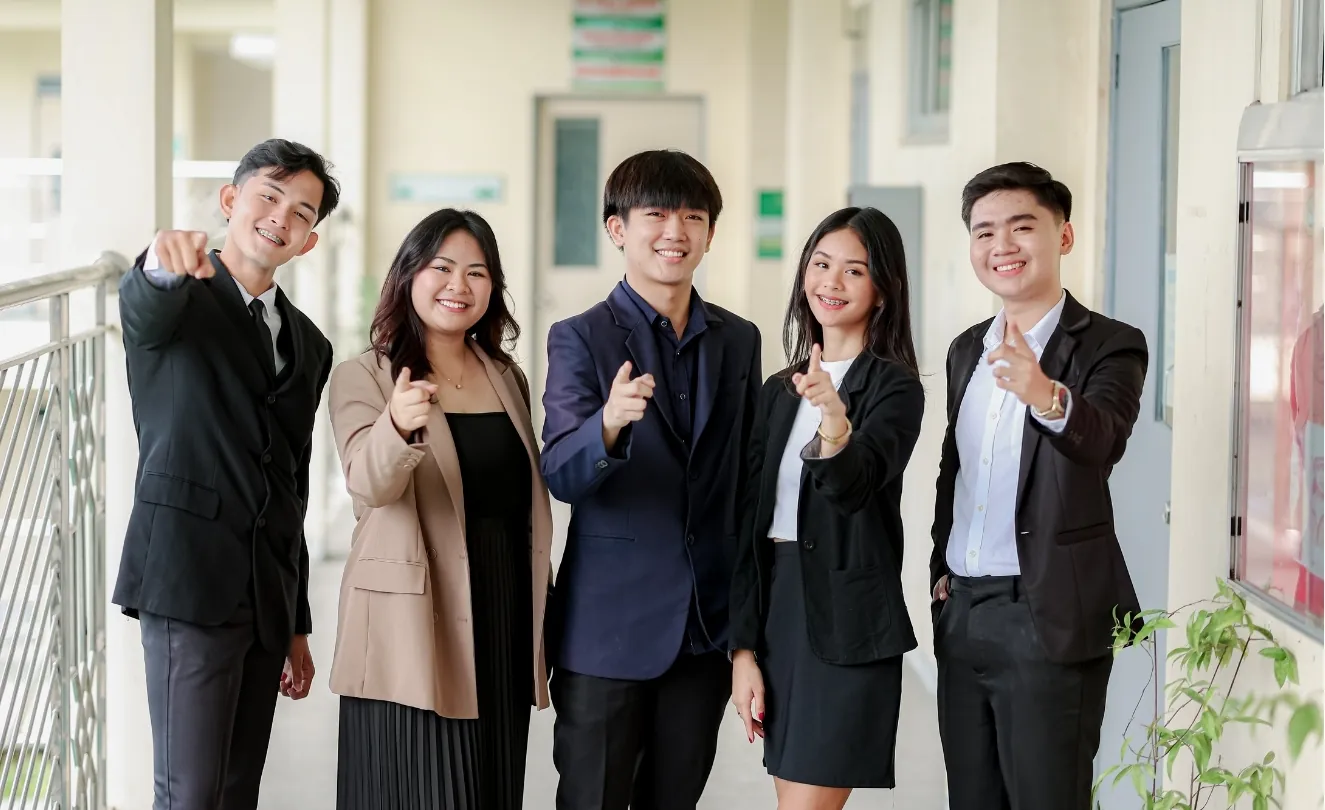
College of Accountancy
Building Competent, Ethical, and Future-Ready Accounting Professionals
General de Jesus College in San Isidro, Nueva Ecija offers four programs in accounting, management accounting, accounting information systems, and internal auditing, taught through academic excellence, practical training, ethical development, and technology-enabled learning.
Program overview
Four programs, one strong foundation
The College of Accountancy of General de Jesus College is based in San Isidro, Nueva Ecija.
Established in 2008 as the College of Accountancy and Accounting Technology (CAAcT), the College of Accountancy began with a pioneer class of 55 students. Since then, it has grown through a culture of discipline, integrity, and “Quality Education for a Better Life.”
The College of Accountancy is committed to educate, train and develop its students beyond the traditional approach to become competent professional accountants with professional knowledge, skills, values, ethics and attitudes broad enough enabling them to make positive lifelong contributions to the profession, the workplace and their society.
Bachelor of Science in Accountancy
Prepare for professional accounting practice and the CPA Licensure Examination.
- You will build
- Professional accounting knowledge, ethics, leadership, communication, and technology skills
- Prepares you for
- The CPALE and other accounting professional certifications
Bachelor of Science in Management Accounting
Develop expertise in accounting information for planning and management decision-making.
- You will build
- Cost analysis, budgeting, planning, performance measurement, financial analysis, and management control
- Prepares you for
- Management accounting work and relevant professional certifications
Bachelor of Science in Accounting Information System
Combine accounting knowledge with information systems and technology.
- You will build
- Business processes, data and information management, internal controls, systems analysis, and technology-enabled decision-making
- Prepares you for
- Accounting information systems work and relevant professional certifications
Bachelor of Science in Internal Auditing
Develop skills in assurance, risk management, internal controls, and governance.
- You will build
- Evaluation of governance, risk management, internal controls, business processes, compliance, and organizational performance
- Prepares you for
- Internal audit and assurance work and relevant professional certifications
Program quality objectives
What each program sets out to achieve
Our academic programs are designed to develop competent, ethical, and future-ready professionals equipped with the knowledge, skills, values, and practical competencies required in their respective fields.
Bachelor of Science in Accountancy (BSA)
- Produce graduates who possess attributes and knowledge of entry-level professional accountants with necessary conceptual, philosophical and theoretical foundations of the profession.
- Produce graduates who demonstrate the professional and educational knowledge, skills, competencies, values, and behavioral attributes of professional accountants, together with 21st-century skills in leadership, communication, collaboration, creative and critical thinking, and technological proficiency, enabling them to contribute effectively in local and global contexts and advance toward positions of increased responsibility.
- Develop leadership capabilities and management skills among students through on-the-job training, seminars, conventions and workshops so that they may be aware of the current business employment requirements locally and abroad.
- Produce competent graduates capable of passing the Certified Public Accountant Licensure Examination (CPALE) and other accounting professional certifications.
Bachelor of Science in Management Accounting (BSMA)
- Produce graduates who possess the foundational knowledge and competencies in management accounting, financial accounting and reporting, cost accounting, taxation, accounting information systems, and related business areas necessary for entry-level professional practice.
- Develop graduates who demonstrate professional knowledge, technical and analytical skills, ethical values, and 21st-century competencies in critical thinking, problem-solving, communication, collaboration, leadership, and technological proficiency, enabling them to provide relevant information for effective management decision-making.
- Develop students’ practical, leadership, and management capabilities through on-the-job training, seminars, workshops, industry engagement, and other experiential learning activities that prepare them for current and emerging employment requirements in management accounting and related fields.
- Produce graduates capable of applying management accounting concepts and techniques in cost analysis, budgeting, planning, performance measurement, financial analysis, management control, and decision-making, while demonstrating ethical responsibility and commitment to continuous professional development and relevant professional certifications.
Bachelor of Science in Accounting Information System (BSAIS)
- Produce graduates who possess the foundational knowledge and competencies in accounting, business processes, accounting information systems, information technology, and related professional areas necessary for entry-level practice.
- Develop graduates who demonstrate professional knowledge, technical and digital skills, ethical values, and 21st-century competencies in critical thinking, problem-solving, communication, collaboration, leadership, and technological proficiency, enabling them to effectively apply accounting information systems in local and global contexts.
- Develop students’ practical, leadership, and management capabilities through on-the-job training, seminars, workshops, industry engagement, and other experiential learning activities that prepare them for current and emerging employment requirements in accounting information systems and related fields.
- Produce graduates capable of applying accounting information systems and related technologies effectively and ethically in areas such as business processes, data and information management, internal controls, systems analysis, and technology-enabled decision-making, and prepare them for relevant professional certifications and continuing professional development.
Bachelor of Science in Internal Auditing (BSIA)
- Produce graduates who possess foundational knowledge and competencies in internal auditing, accounting, financial management, risk management, internal control, governance, and related business areas necessary for entry-level professional practice.
- Develop graduates who demonstrate professional knowledge, technical and analytical skills, ethical values, and 21st-century competencies in critical thinking, problem-solving, communication, collaboration, leadership, and technological proficiency in performing internal audit and assurance-related functions.
- Develop students’ practical, leadership, and professional capabilities through on-the-job training, seminars, workshops, industry engagement, and other experiential learning activities that prepare them for current and emerging employment requirements in internal auditing and related fields.
- Produce graduates capable of applying internal auditing principles and techniques in evaluating governance, risk management, internal controls, business processes, compliance, and organizational performance, and in providing appropriate recommendations for improvement while demonstrating ethical responsibility and commitment to continuous professional development and relevant professional certifications.
Why study accountancy at GJC?
Preparation that goes beyond the classroom
Professional Preparation
Develop the knowledge and competencies needed for careers in accounting and related fields.
Technology-Enabled Learning
Build digital and technological skills relevant to modern accounting and business environments.
Practical Experience
Gain workplace exposure through on-the-job training, seminars, workshops, and industry engagement.
Ethics & Leadership
Develop professional values, ethical responsibility, communication, collaboration, and leadership skills.
CPALE readiness: October 2026 results
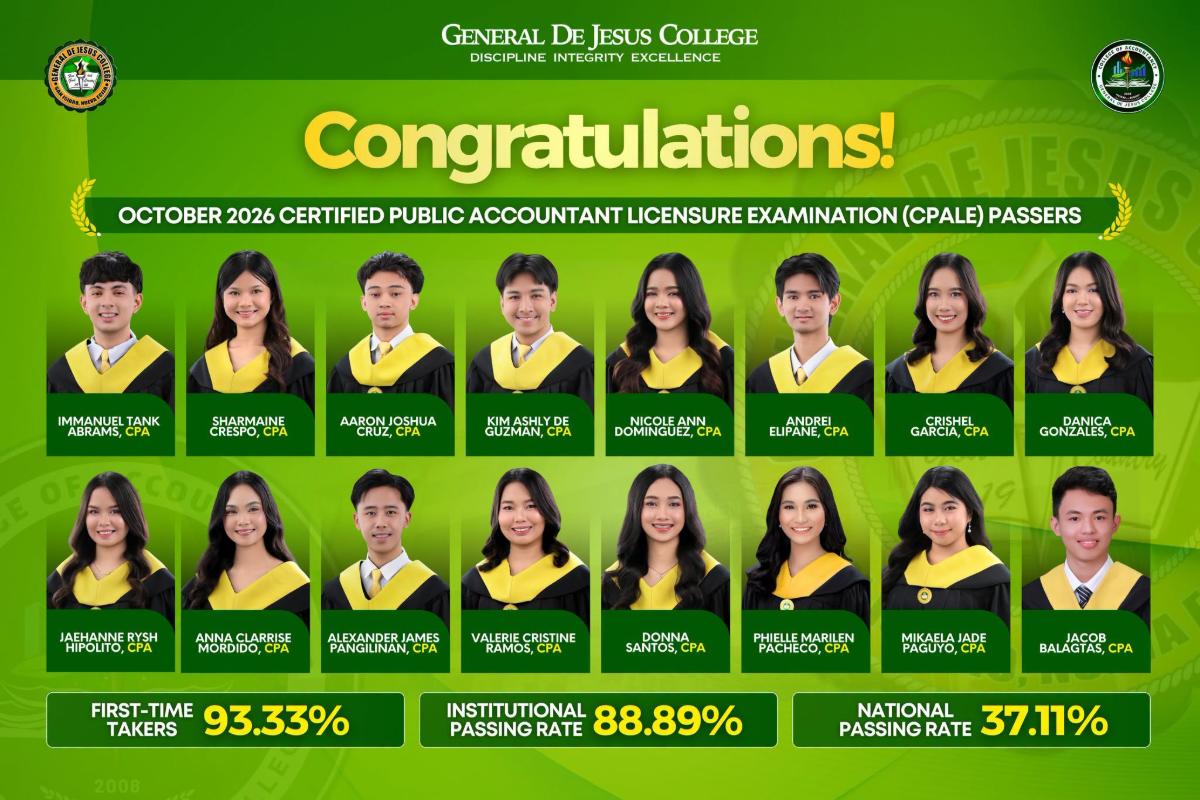
16 of our 18 examinees are now CPAs
- 93.33%
- First-time takers
- 88.89%
- GJC institutional passing rate
- 37.11%
- National passing rate
5th nationwide among schools with 10–19 examinees, based on the independent ranking published by Taxation Guide PH.
Our Top 20 CPA
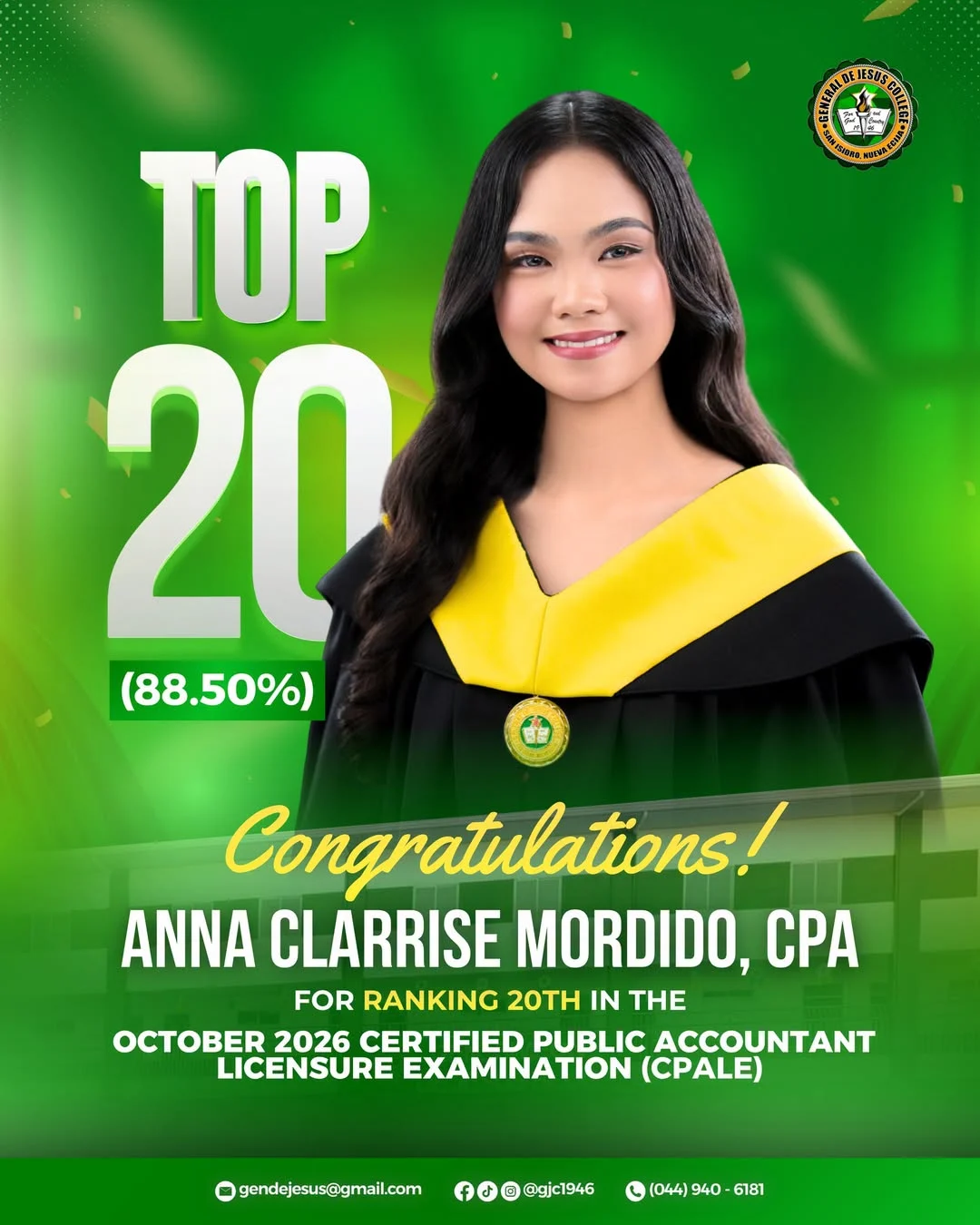
Anna Clarrise Mordido, CPA
Rank 20 among the highest scorers in the October 2026 CPALE, with an 88.50% rating
Her achievement reflects her dedication, perseverance, and commitment to academic excellence, along with the support of her parents, her professors, and the entire College of Accountancy community. Your GJC family is proud of you!
Ranking from the list of highest scorers published by REO CPA Review.
Student life
Life in the College of Accountancy
Accountancy students at General de Jesus College, in the classroom and across campus.
-

Reviewing together in the library -
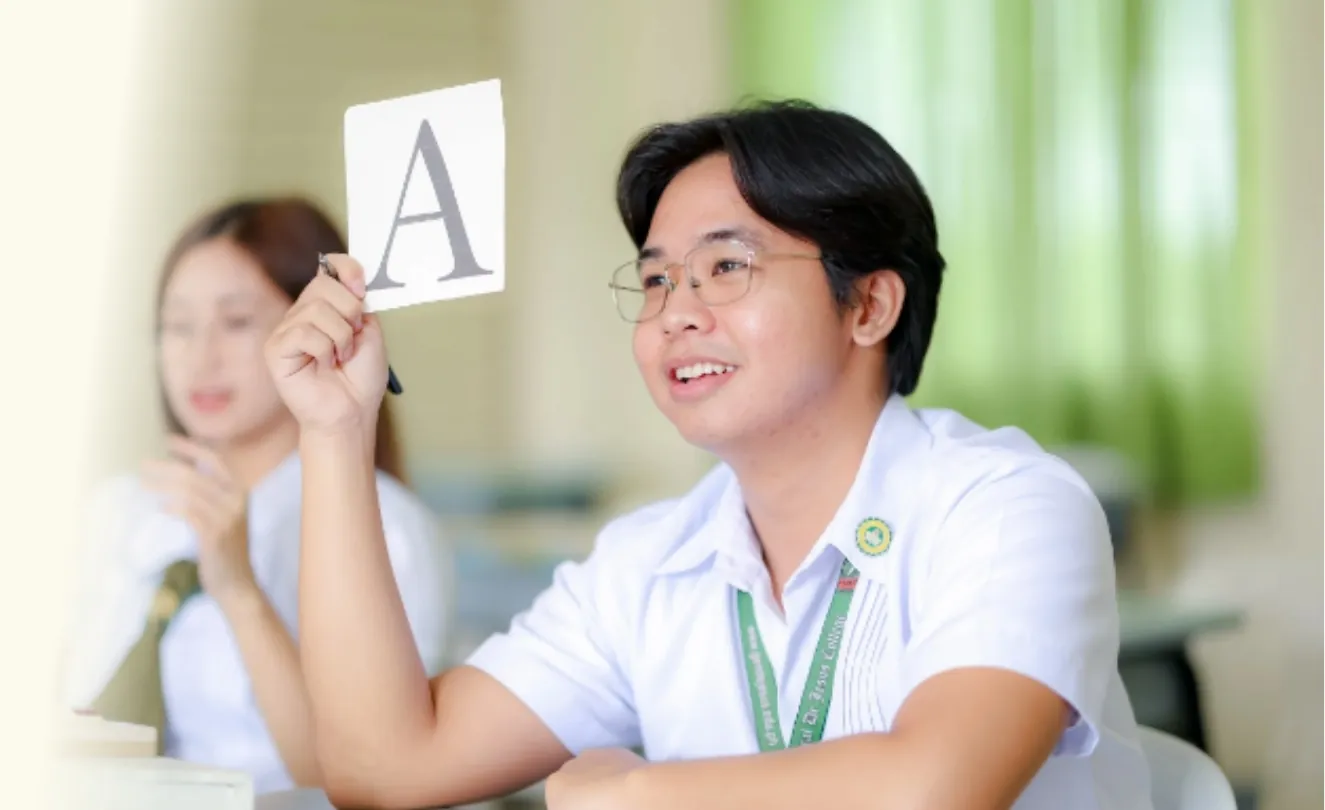
Answering a classroom quiz -

Working through a project -
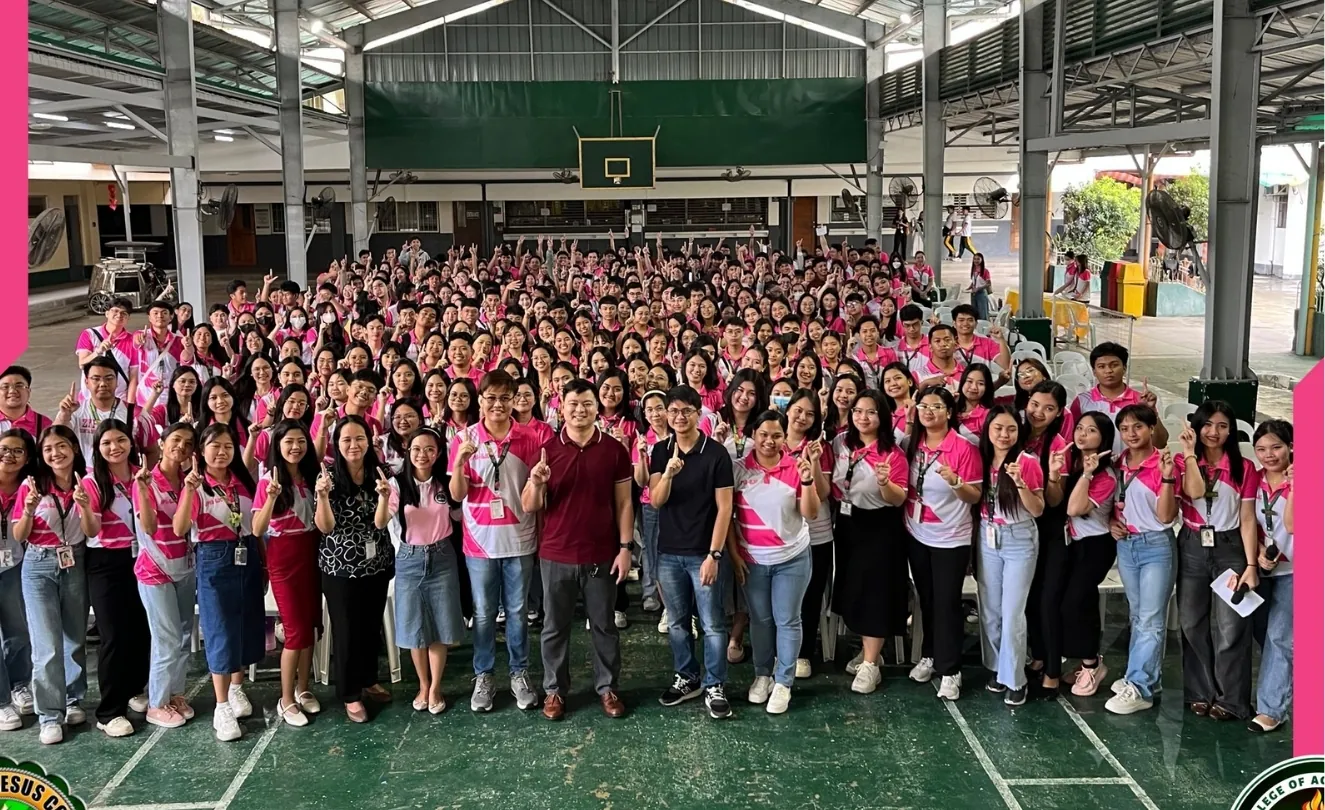
Students of the College of Accountancy -
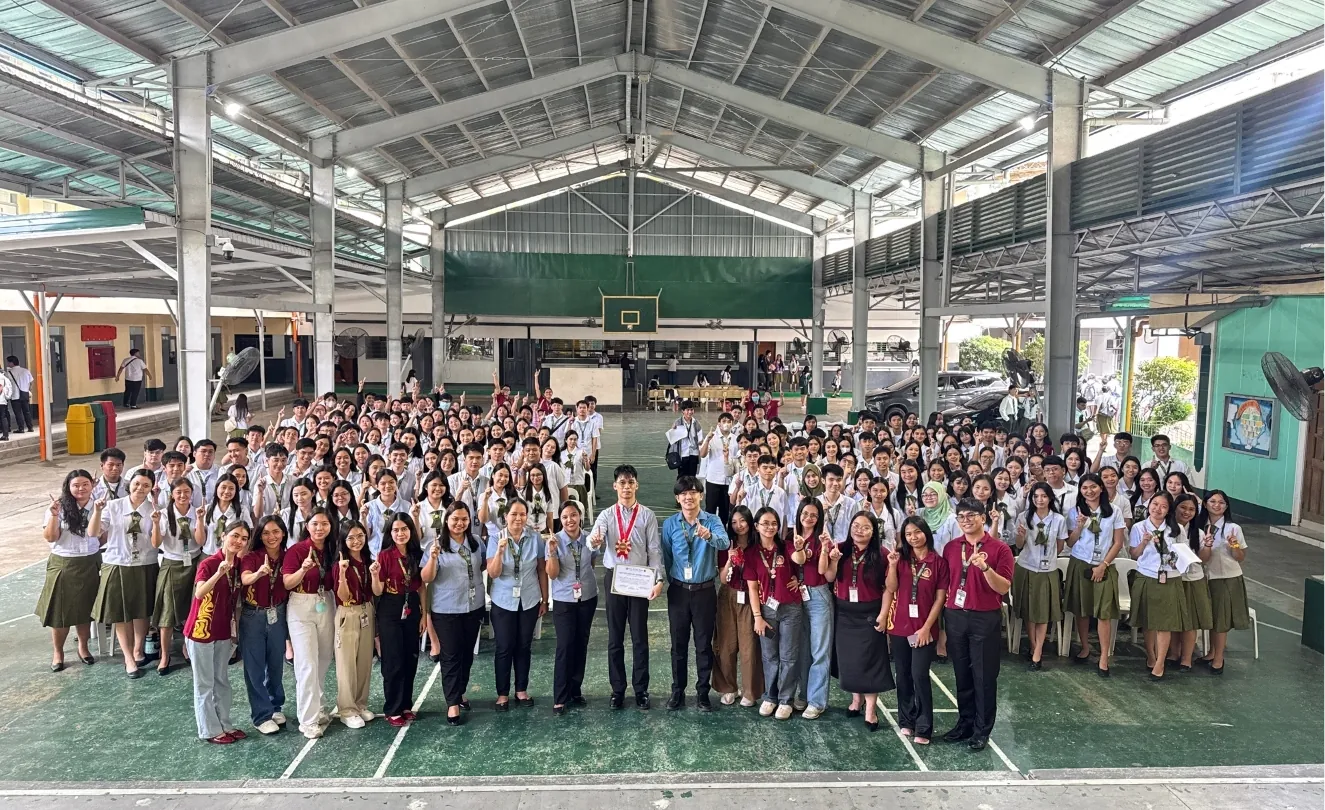
One college community -
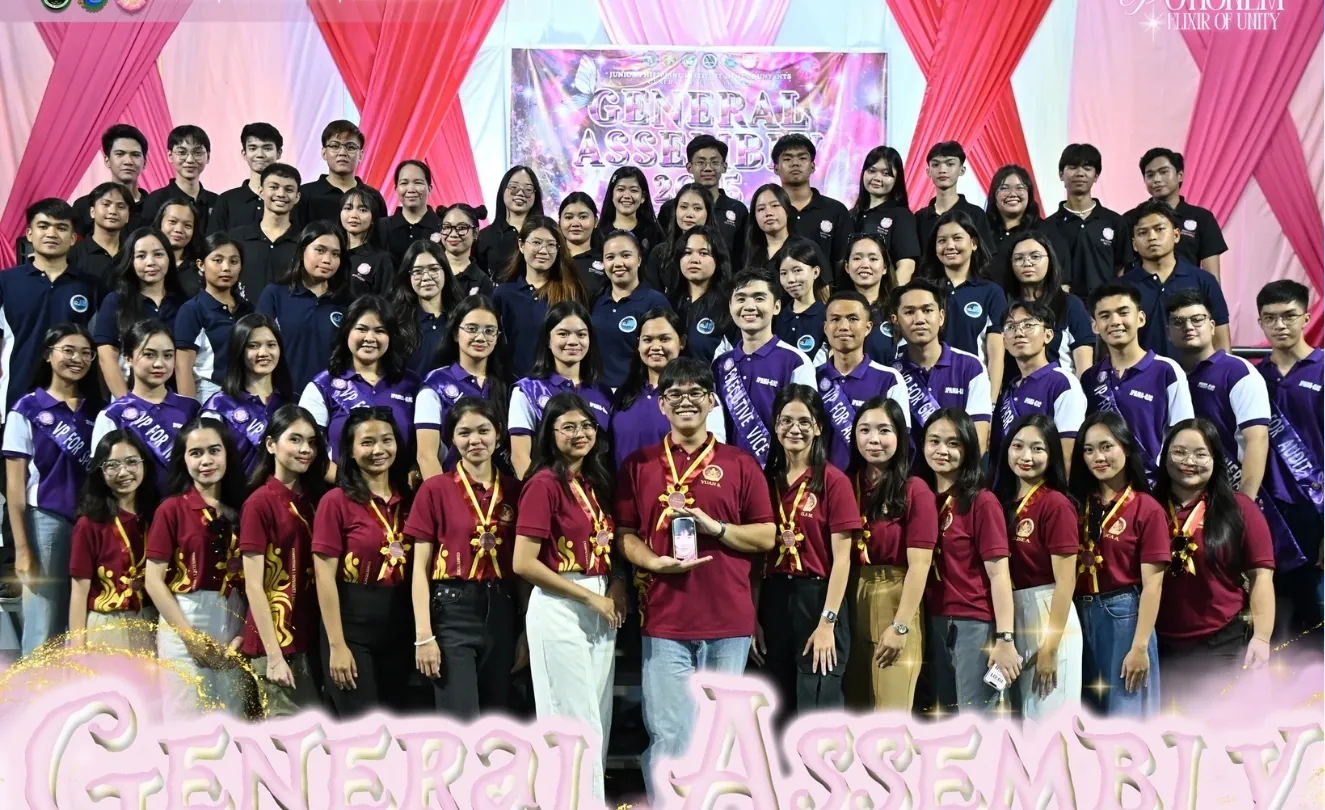
College of Accountancy General Assembly
Beyond the classroom
Learning that continues outside the lecture room
Students build leadership and professional skills through on-the-job training, seminars, conventions, and workshops. Accountancy students also come together through JPIA-GJC and represent the College in regional competitions.
- Level II ChampionFrancis Erick Mallillin, PICPA Regional Accountancy Education Summit and Accounting Quiz Bowl, October 23, 2026
- 3rd, 4th, and 5th Place, plus two finalistsJPIA-GJC students at the Regional Accounting Quiz Showdown

Which program is right for you?
Start with what you want to do
- I want to become a Certified Public AccountantBSA
- I want to use numbers to guide business decisionsBSMA
- I enjoy both accounting and technologyBSAIS
- I want to help organizations work better and more ethicallyBSIA
Only BS Accountancy graduates may take the CPA Licensure Examination.
News and announcements
The latest from the College

GJCian Among Top 20 Highest Scorers in October 2026 CPALE
Anna Clarrise Mordido, CPA, of GJC earned an 88.50% rating in the October 2026 CPALE, placing her at Rank 20 in the list of highest scorers published by REO CPA Review.
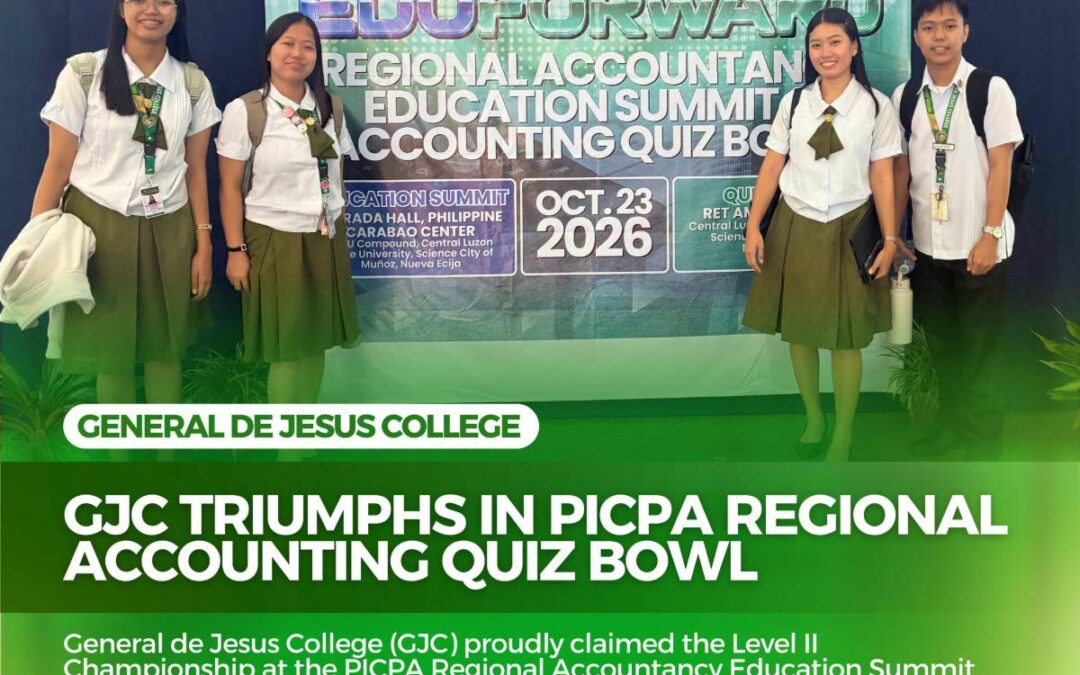
GJC Emerges as Level II Champion in PICPA Quiz Bowl
Francis Erick Mallillin of GJC won the Level II Championship at the PICPA Regional Accountancy Education Summit and Accounting Quiz Bowl at CLSU on October 23, 2026.
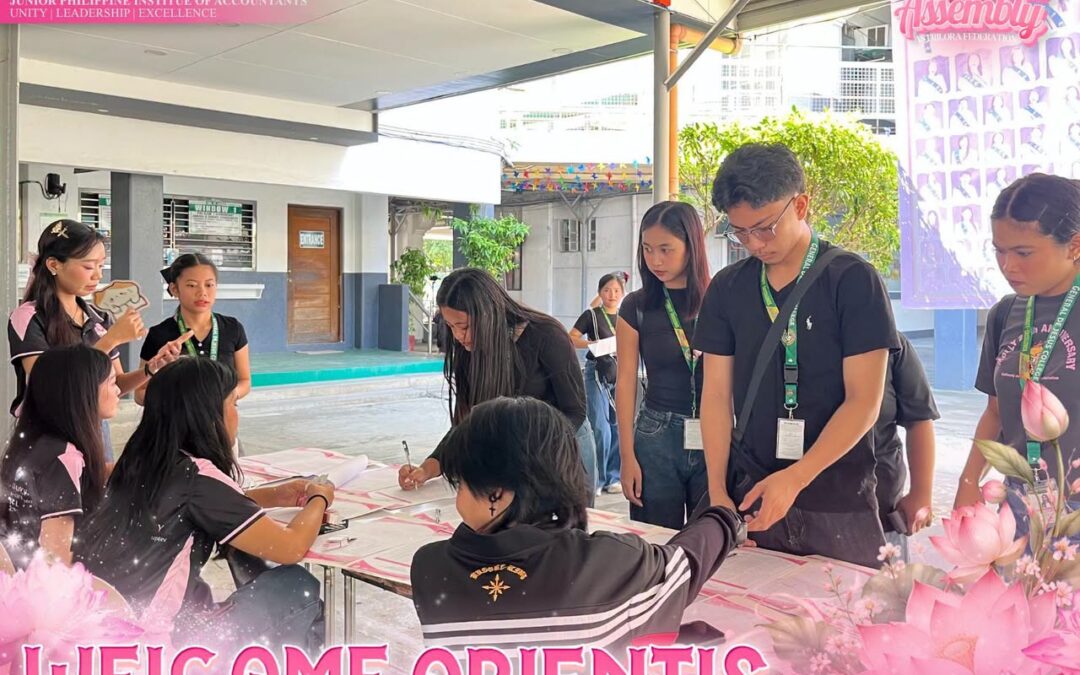
JPIA-GJC Kicks Off General Assembly 2026
Accountancy students of JPIA-GJC gathered for General Assembly 2026, kicking off the day’s event with high energy and a vibrant atmosphere.
Frequently asked questions
Good to know
What programs does the College of Accountancy offer?
The College offers BS Accountancy, BS Management Accounting, BS Accounting Information System, and BS Internal Auditing.
Which program leads to the CPA Licensure Examination?
Only BS Accountancy graduates may take the CPA Licensure Examination.
What are the admission requirements?
Applicants to the Accountancy Program need a General Weighted Average of at least 85%. See the complete list on our admission requirements page.
How did GJC perform in the October 2026 CPALE?
16 of our 18 examinees passed, for an institutional passing rate of 88.89%. Our first-time takers passed at 93.33%, against a national passing rate of 37.11%.
Is there a student organization for accountancy students?
Yes. Accountancy students come together through JPIA-GJC, which holds activities such as its General Assembly.
Contact
Talk to us
Visit
Vallarta Street, Poblacion, San Isidro, Nueva Ecija 3106
Call or email
Office hours
Monday to Friday, 8:00 AM to 5:00 PM
Start your journey in accountancy
Applicants to the Accountancy Program need a General Weighted Average of at least 85%.